


1, performance: the inner tube of the hose is very hard, now cracked.
Cause analysis: high temperature simply make the inner tube of the plasticizer points out, this is a kind of can make the hose soft can have plastic material. Trapped gas oil can make the inner tube onset of oxidation. This oxidization reaction on the rubber product can make it harden. Oxygen and high temperatures greatly accelerate the hardening of the inner tube of the hose. Attack on the inner tube inside the cavitation phenomenon also has the same effect.
2, performance: the hose inside and outside are cracked, but the elastic material at room temperature is still soft and flexible.
Cause analysis: can be the cause of the hose flexing ambient temperature is very low. Most of the specification hose extra temperature is -40 degrees, some AQP hose extra temperature is -49 degrees, usually military hose extra temperature is -54 degrees, some thermoplastic hose extra temperature is -54 degrees, PTFE hose extra temperature is -73 degrees.
Automotive brake hose OE No. 95510627710
3, performance: hose cracking, peel off the outer rubber to check the steel wire reinforcement layer found in the entire length of the hose has irregular steel wire cracking.
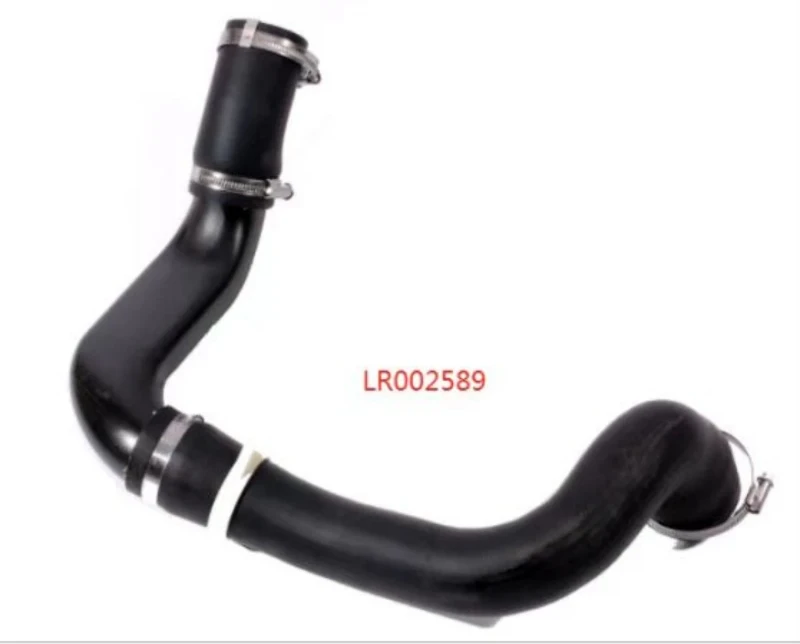
Cause analysis: this shows that the hose is in a highly frequent pressure shaking. SAE American Automobile Industry Association about the two-layer steel wire weaving hose impact test needs to be 133% of the recommended working pressure to reach 200,000 cycles. SAE on the four-layer surrounded by the impact of the hose test needs to reach 500,000 cycles. If the number of thrust pulses in the system exceeds 1 million in a short period of time, it is advisable to select a hose with a reinforcing layer.
4, performance: the hose cracked, but in the entire length of the hose does not show multiple wire cracking. The hose can be more than one crack.
Cause analysis: This indicates that the pressure has exceeded the very small explosive strength of the hose. It is recommended that a higher strength hose be used, or that the hydraulic line show a failure that can lead to abnormally high pressure conditions.