


Comprehensive Analysis of Audi Oil Radiator Hose
Function and Structure
★ Core Role
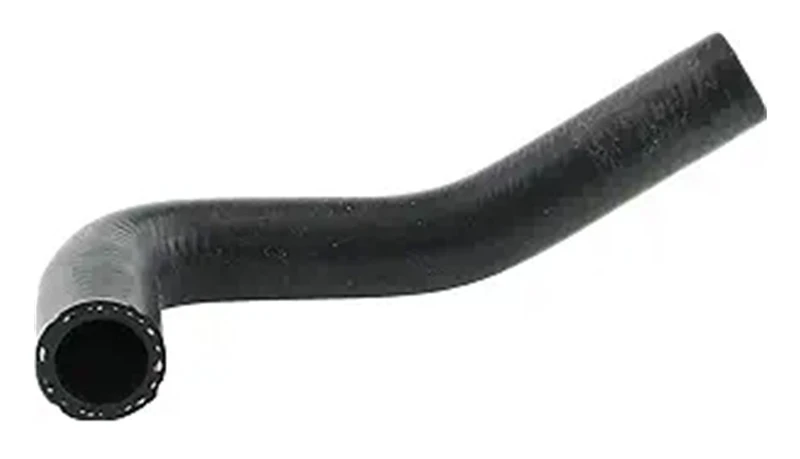
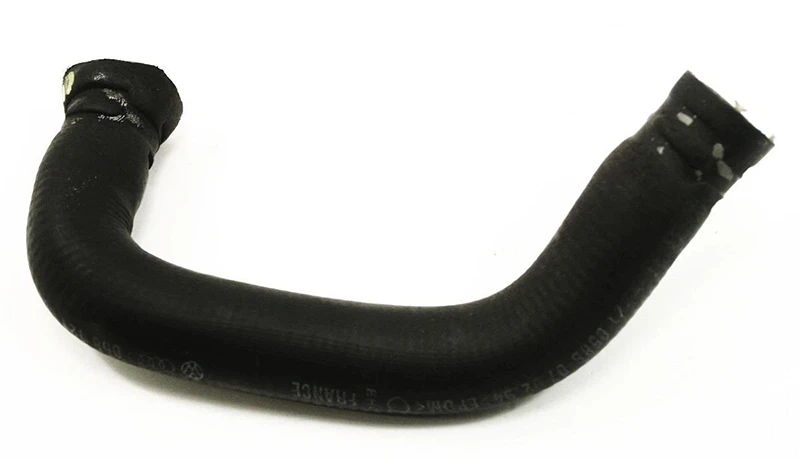
The oil radiator tube OE code number regulates the oil temperature through the cooling water circulation system, lowering the oil temperature at high temperatures (realized through the radiator copper core tube and heat sink), and quickly warming up at low temperatures with the help of cooling water.
It adopts aluminum alloy shell and copper core tube composite structure, and some interfaces are connected by O-ring seals to ensure the isolation of oil and coolant.
★ Associated Components
Linkage work with supercharger cooling pipe, water pump, thermostat, etc. If the radiator pipe is blocked, it will lead to oil pressure drop (viscosity abnormality triggered by reduced circulation).
Common Failures and Symptoms
★ Failure type Performance and risk Solution
Seal failure Antifreeze mixed with oil (kettle oil float) Replace the radiator pipe and seal, and clean the cooling system.
Clogged pipes Abnormally low oil pressure, increased engine noise Dismantle radiator hose to clean out dirt or replace directly.
Deformed/aged interface Coolant leakage or oil leakage into engine compartment Replace reinforced metal interface fittings (adapted to original bolts)
Disassembly and Maintenance Procedure
★ Disassembly Procedure
Drain coolant and oil, remove supercharger cooling pipe and oil filter element;
Use T30 flower hex wrench to remove the radiator pipe fixing screws (pay attention to keep the sealing gasket).
★ Installation points
Before installing the new pipe, clean the interface of residual oil stains, and apply high-temperature resistant grease to the sealing ring;
Bolt torque should be controlled within 18N-m to avoid deformation of the aluminum alloy shell due to over-tightening.
★ Maintenance cycle
Check the sealing and interface status of the radiator hose every 60,000 kilometers, and replace the antifreeze at the same time;
Long-term parking vehicles need to start the engine regularly to prevent deformation of the sealing ring under pressure.
Upgrade and Replacement Program
★ Original parts identification
Matching by unique part number (e.g. Audi A6 C5 model-specific interface specifications).
★ Reinforced fittings
Aluminum alloy replacement of plastic interface fittings (50% increase in aging resistance);
Double-layer corrugated finned heat pipes (for high load conditions).
(Note: For disassembly and installation of the turbo system, it is necessary to check the sealing of the intercooler piping at the same time.)