


In the steering power system of BMW cars, the steering oil pipe 32106795227 shoulders the core mission. It is like the blood vessels of the human body, responsible for delivering power steering oil. When the driver turns the steering wheel, the power pump operates to generate pressure and sends the power steering oil to the steering gear through the steering oil pipe, thus providing assistance for steering operations, allowing the driver to easily turn the steering wheel, significantly reducing the labor intensity of steering, and guaranteeing steering maneuverability and comfort in the driving process. If the steering oil pipe fails, such as rupture, clogging or oil leakage, it will cause the power oil to be unable to be delivered normally, which will lead to heavy steering and power failure, seriously affecting driving safety.
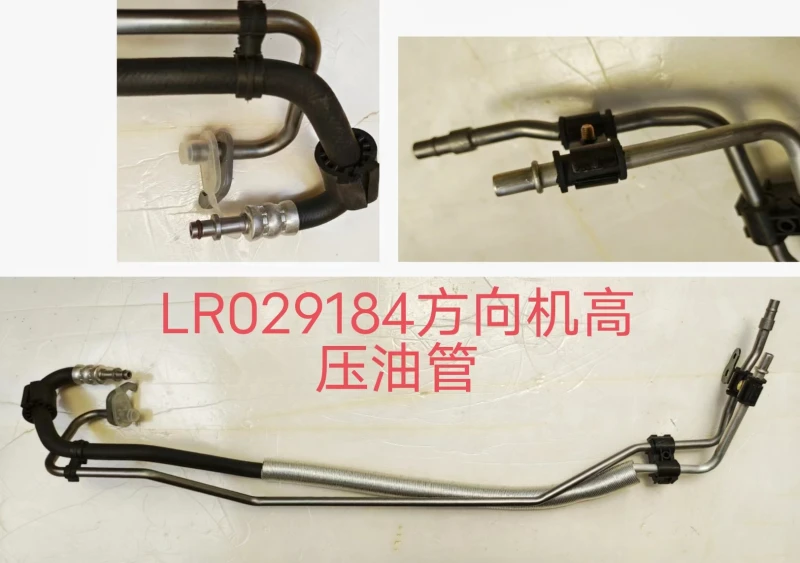
Second, the type of steering oil pipe classification
High pressure oil pipe: from the booster pump output high-pressure booster oil pipeline is the high-pressure oil pipe 32416774215. BMW's high-pressure oil pipe needs to withstand high pressure, usually up to 100 - 150 bar or even higher, depending on the car model and the design of the booster system. It is responsible for transferring the pressurized fluid from the booster pump to the steering gear quickly and steadily to meet the immediate need for power when steering.
Low-Pressure Hose: The low-pressure hose is mainly used to return the booster fluid from the steering gear to the booster pot. Compared with the high-pressure hose, its pressure is lower, usually around 1 - 5 bar. The low-pressure hose ensures the smooth circulation of the booster fluid and maintains the stability of the fluid volume in the booster system.
Material and structural design
Material selection: BMW steering oil pipe often uses multi-layer composite material. The inner layer is generally oil-resistant synthetic rubber, which can effectively resist the erosion of booster oil and ensure that the oil will not leak and maintain good sealing performance; the middle layer is a high-strength steel wire mesh or fiber reinforcement layer, which is used to enhance the pressure resistance and anti-fatigue performance of the oil pipe, so that it can withstand high pressure and frequent pressure fluctuations in the work of the booster system; the outer layer is a wear-resistant, weather-resistant, ageing-resistant rubber or plastic material, which plays a role in protecting the internal structure and adapting to the needs of the booster system. The outer layer is made of rubber or plastic with wear-resistant, weather-resistant and aging-resistant characteristics, which protects the internal structure and adapts to the complex use environment of vehicles.
Structural design: In order to fit the compact and complex layout of the engine compartment and steering system of BMW vehicles, the steering fluid pipe is extremely precise in its structural design. Its bending angle and direction are precisely planned to ensure that the oil pipe does not interfere with other parts in the limited space, and at the same time realizes the smooth flow of booster oil. The steering oil pipe of some high-end models is also equipped with a special buffer structure or heat insulation layer, which can reduce the internal pressure impact of the oil pipe caused by the vibration of vehicle driving or steering operation, and the heat insulation layer can reduce the impact of high temperature of the engine on the performance of the oil pipe and the booster oil, so as to prolong the service life of the oil pipe.
Specification Parameters for BMW Models
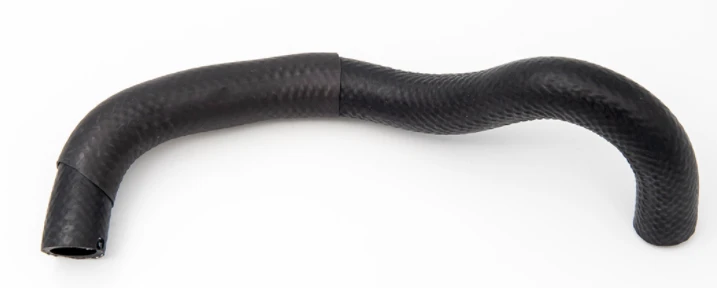
Different BMW models have different specifications for the steering oil pipe due to the differences in steering power system design and engine compartment space layout. Common specifications include the inner diameter, outer diameter, length and connector size and type. Take the BMW 3 Series for example, its high-pressure fuel hose may have an inner diameter of 8 - 10 mm, an outer diameter of 12 - 14 mm, a length of 50 - 80 cm depending on the model configuration, and the fittings mostly use special metal quick couplings to ensure a solid connection and good sealing; while large SUVs such as the BMW X5, due to the higher demand of the booster system, may have a high-pressure fuel hose with an inner diameter of 10 - 12 mm, an outer diameter of 14 - 16 mm, and a correspondingly longer length. Large SUVs such as the BMW X5 may have a high pressure hose with an inner diameter of 10 - 12 millimeters and an outer diameter of 14 - 16 millimeters, with a corresponding increase in length. When replacing the steering oil hose, be sure to select the appropriate specification of the oil hose strictly according to the specific model and frame number of the vehicle, in order to ensure the normal operation of the booster system.
V. Oil Selection and Use
Specialized Power Steering Fluid: The BMW steering system requires the use of a specific power steering fluid, such as CHF-11S. This is a synthetic high-performance hydraulic fluid, which is made of unique additive technology and selected base oil. It has excellent viscosity and temperature characteristics, which can ensure the viscosity of the power steering oil is stable under extreme cold and hot environments, so that the power steering system can operate smoothly; at the same time, the oil also has good anti-oxidation and anti-wear properties, which can effectively prevent the internal wear of the pump body and tubing, and prolong the service life of the power steering system; moreover, it has good compatibility with the elastomers and electronic components in the power steering system, and will not cause any damage to these components.
Avoid mixing: It is strictly prohibited to mix BMW special power assist oil with other brands or types of power assist oil, automatic transmission fluid and so on. Different oils have different chemical compositions, viscosity indices and additive formulations, and mixing may lead to a decline in oil performance, deterioration of the fluid, blistering, precipitation and other problems, which will in turn damage the power-assisting oil.