


Role of Transmission Fuel Line OE Code No. 17227583164 in Automotive Transmission
I. Core Functions
★ Heat dissipation and temperature control
By circulating the gearbox oil, the heat generated in the operation of the gearbox is transferred to the radiator or water tank to maintain a stable oil temperature (to avoid wear of gears or aging of seals due to overheating).
Example: Transmission fluid line OE code No. 17227631549 is linked with the engine cooling system, which accelerates oil warming in cold environments and shortens cold start time.
★ Maintaining oil pressure circulation
It serves as a channel for oil flow between the gearbox and radiator, ensuring stable oil pressure and taking away impurities such as metal shavings generated by internal friction.
Example: The inlet pipe (usually located at the bottom) carries the fluid to the gearbox, and the return pipe OE code No. 17227631550 (usually located at the top) sends the high-temperature fluid back to the radiator for cooling.
★ Regulating Temperature Equilibrium
The tank-integrated fuel line is designed to regulate the oil temperature in both directions by means of the engine cooling system, preventing oxidation of the high-temperature fluid and allowing it to warm up quickly at low temperatures.
★ Aids in cleaning and lubrication
Through the continuous circulation of oil flow, it cleans the impurities inside the gearbox and ensures adequate lubrication of gears, bearings and other components to minimize wear and tear.
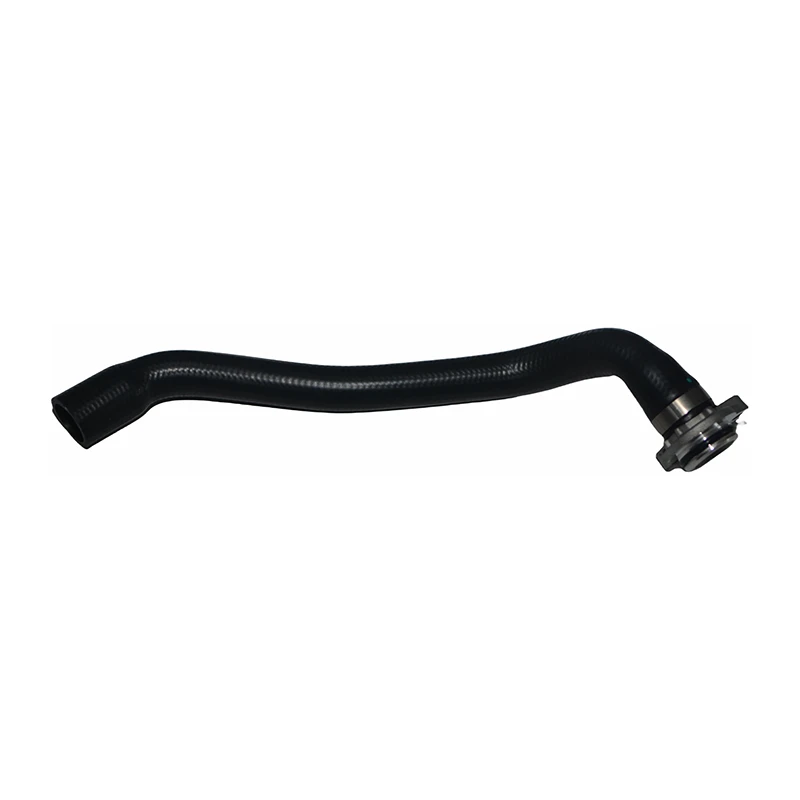
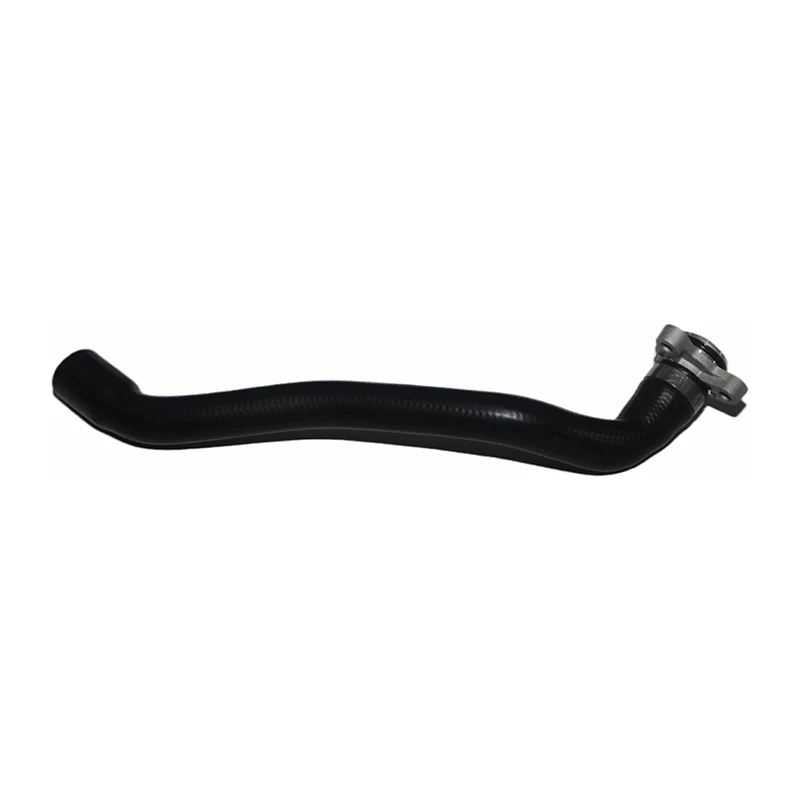
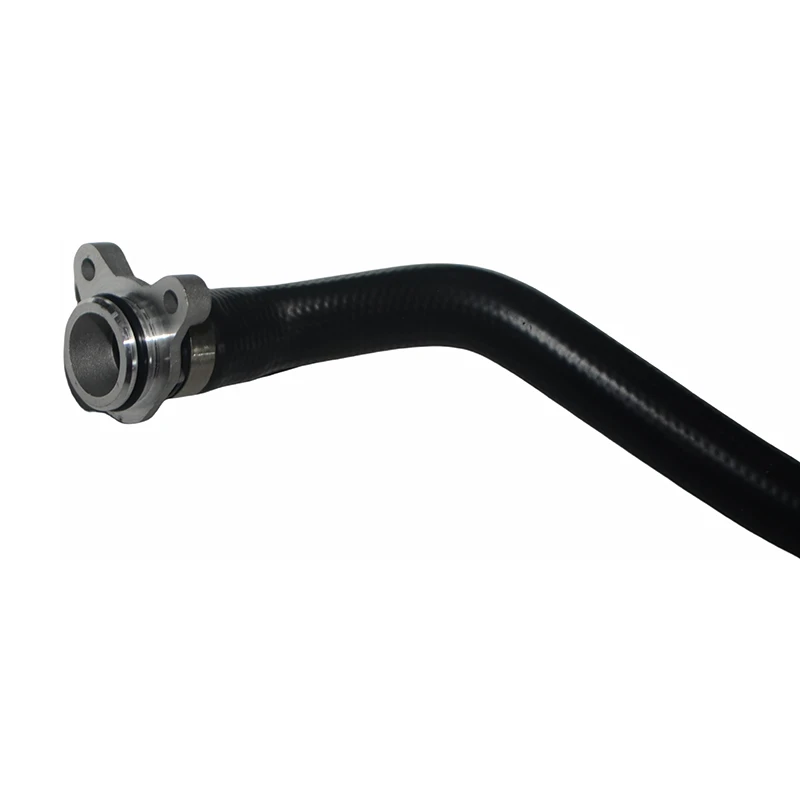
II. Function realization principle
Heat dissipation path: gearbox oil → oil pipe → radiator/tank → cooled fluid returns to the gearbox.
Pressure balance: the oil return pipe 17228631815 relieves the pressure of the oil pump through the pressure relief design, which reduces oil consumption and protects the seals.
Cooperative control: The transmission oil temperature sensor is linked with the engine ECU to dynamically adjust the oil circulation rate to adapt to the working conditions.
Ⅲ. Key design features
Material requirements: high-temperature resistant rubber or metal (e.g. aluminum tube), need to withstand oil corrosion and high-pressure impact.
Interface standard: the interface size difference between the inlet/return pipe is designed to prevent misalignment of the installation resulting in abnormal oil pressure.