


Let's start by roughly running through the piping of the vehicle's major systems:
1. air intake system piping: air compressor intake pipe, intercooler pipe, etc.
2. Fuel system piping: supply and return pipes, carbon tank oil pipe
3. steering system piping: high-pressure oil pipe, suction pipe, return pipe
4. Cooling system piping: cooling water pipe, air outlet pipe, etc.
5. Brake system piping: hydraulic brake hard pipe, hydraulic brake hose, pneumatic brake hard pipe, pneumatic brake hose, vacuum hose, etc.
6. Conventional system piping: clutch hard pipe, clutch hose, etc.
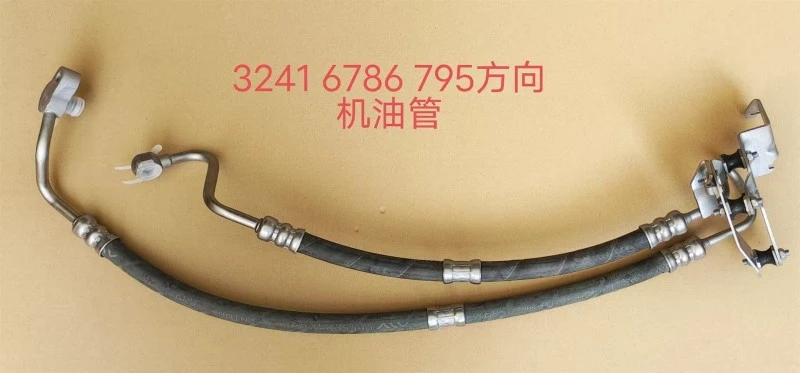
The above systems are not unfamiliar to everyone, each of these systems can not be separated from the pipeline, the performance of the pipeline directly affects the stability of the performance of the entire system as well as the safety of the vehicle. This is very important.
With the improvement of people's quality of life, the demand for automobiles is getting bigger and bigger, and the requirements for the quality of automobiles are getting higher and higher. Automobile pipeline as an important part in the automobile transferring, relates to the safety of the vehicle and the occupants. However, during the assembly process, there are quality risks and safety hazards such as interference between pipelines and pipelines, and between pipelines and other parts. If it is light, it needs to be returned to the factory for repair; if it is heavy, it may cause great loss to the customers. Automobile pipeline leakage will cause environmental pollution, explosion, fire and other hazards, so the pipeline should be airtightness testing. This is essential!