


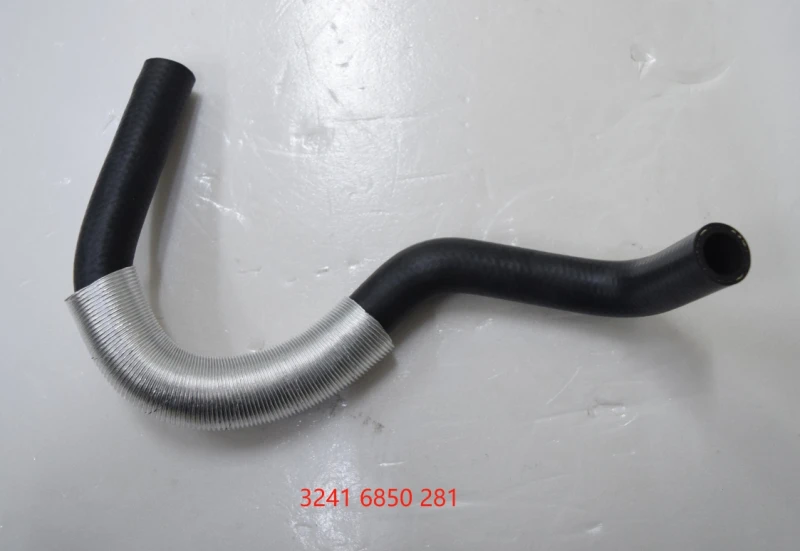
Nylon oil tube:
Nylon tubing has good physical, chemical and mechanical properties: wear-resistant, can be used in the conditions of sand, gravel, iron filings; smooth surface, reducing resistance, can prevent rust and scale sludge; soft, easy to bend, easy to install, simple processing.
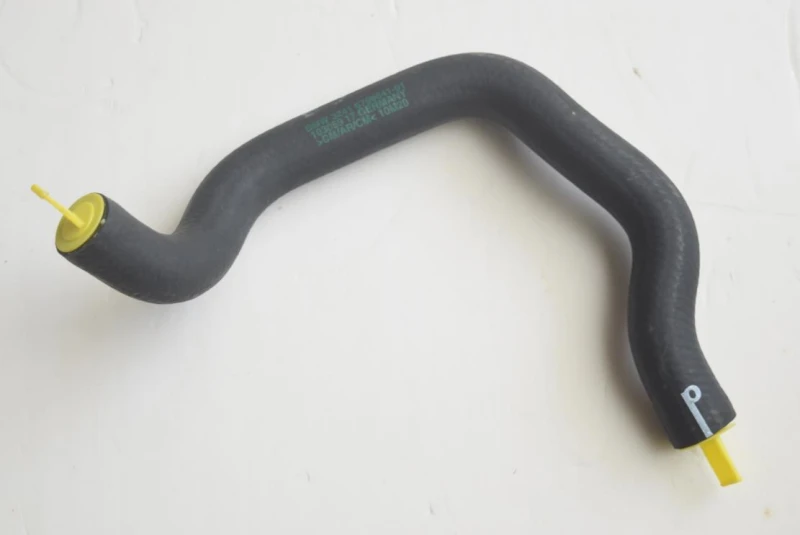
At the same time and steel, when the shape is needed, it can be made into a variety of shapes like a metal pipe, and does not require complex equipment and tooling; resistant to corrosion of many chemicals; dimensional stability, small permeability; electrical resistance, it can be used as an insulator; long service life, or even decades; good temperature resistance, can be in the environment of the -40-100 ° C work.
Scope of use:
Air, water, chemical lubrication, instrumentation lines, irrigation control systems, textile mills, food factories, fuel delivery pipes for vehicles and ships, vacuum systems, air conditioning systems, oscillating insulators, electrostatic insulators and other various industries.
It can keep flexible and work normally in the temperature range of -40℃-+120℃.
Chemical resistance:
Nylon tube adapted to: compressed air systems, lubrication systems, flammable oil fluid lines, hydraulic lines, some chemical fluids, food fluids The product is lightweight, resistant to moisture, salt water seawater, resistance to sunlight exposure, ten nylon tube is generally used for hydrocarbons, aromatics, aliphatic solvents, oils, fuels and refrigerant, does not tolerate strong acids, alkalis, phenols, etc.; commonly used to transport fluids: 40 degrees of carbonated soda, 40 degrees of carbonated water, -20 ~ 40 degrees of carbonated water, -20 ~ -20 degrees of carbonated water, -40 ~ -20 degrees of carbonated water. degree carbonated water, -20~40 degrees alcohol, distilled water, seawater, oil and so on.
Rubber hose:
Rubber oil hose is characterized by physiological inertia, ultraviolet resistance, ozone resistance, high and low temperature resistance (-80 to 300 degrees), high transparency, strong resilience, compression resistance without deformation, oil resistance, stamping resistance, acid and alkali resistance, abrasion resistance, flame retardant, voltage resistance, conductivity and other properties.
Scope of use:
Supporting electrical appliances, electronics, furniture and equipment, toys, hardware, medical equipment, sporting goods, audio, lighting, machinery, automobiles, motorcycles, ships, aviation, harsh working environment of the wire coat combing water, non-stick to many materials, can play a role in isolation and other areas of industry.
It mainly connects the engine with the air filter, the engine with the radiator system, the automobile air conditioning system and so on. Its as part of the air intake system, closer to the engine, so it needs to be resistant to high temperature, oil, corrosion, aging, low temperature, etc., and its materials according to the different types of processing technology, for example, NBR nitrile rubber is widely used in vacuum braking hose, oil resistance is good high rubber content, but relatively poor ozone resistance; EPDM EPDM rubber is used in the automotive water hose series. Such as radiator hose, air conditioning hose. There are some higher performance materials, such as AEM acrylate high temperature resistance and so on. Each type of rubber has his characteristics, so the selection of materials in the hose is particularly important. Basically cars use relatively good materials, some microcars, vans use poor materials, such as some microcars are still using nitrile rubber as a fuel hose, nitrile rubber are not suitable for the fuel system. Thus the alternative chlorohydrin rubber fluorine hose is more widely used.
The main performance:
Most of the rubber hose with environmental protection, but some of the higher requirements of the oil and gas hose, in the rubber material added flame retardant, flame retardant contains toxic and harmful substances on the human body and the atmosphere will have a slight impact.
Rubber hose properties are also; physiologically inert, UV resistance, ozone resistance, high and low temperature resistance (-80 to 300 degrees), high transparency, strong resilience, compression resistance without deformation, oil resistance, stamping resistance, acid and alkali resistance, abrasion resistance, flame retardant, voltage resistance, conductivity and other properties.