


Industrial hose, also known as industrial hose. Mainly used in various industries and equipment for flexible connection of a hose.
Compared with civil hose, industrial operating environment is more complex, more severe, equipment requirements for the transport hose is more demanding, so the industrial hose from the design, the choice of materials to production, transportation and even storage have strict norms and standards.
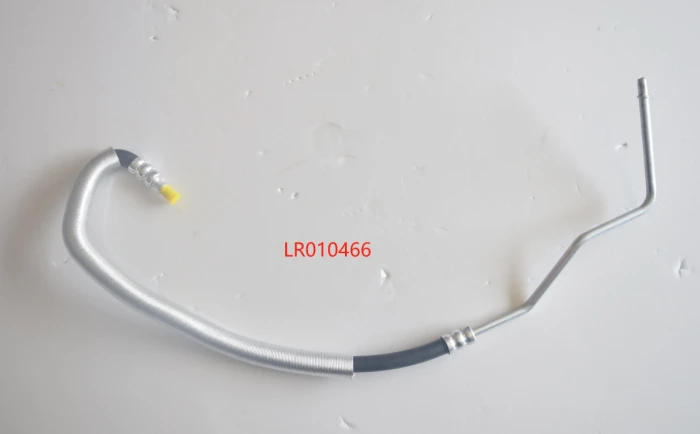
Industrial hoses are available in a wider range of sizes, pressure and temperature ranges, and chemical resistance.
Industrial hose applications cover a variety of industrial production, manufacturing and circulation, widely used in petroleum, chemical, ship, dock, tanker, agriculture, food, beverage, pharmaceutical and other industries, as well as hot and cold water, steam, ventilation, cooling, fire fighting, hydraulics, media, such as gas, water, mist, mud, sand, iron and other aspects.
Summarize the use of working conditions, can be roughly divided into nine categories.
Water hose. Used for irrigation, horticulture, construction, firefighting, equipment and tanker truck cleaning, agricultural fertilizer, manure, industrial sewage drainage. The inner rubber material is mostly PVC and EPDM.
Hot water and steam hose. Used in cooling water for refrigeration equipment, hot and cold water for engine engines, hot water and saturated steam for food processing, especially in dairies. The inner rubber material is mostly EPDM.
Beverage food hose. Used for non-fat products such as milk, carbonation, orange juice, beer, animal and vegetable oils, drinking water and so on. The inner rubber material is mostly NR or synthetic rubber. Standard qualifications such as food grade FDA, DVGW Class A, KTW or CE are usually required.
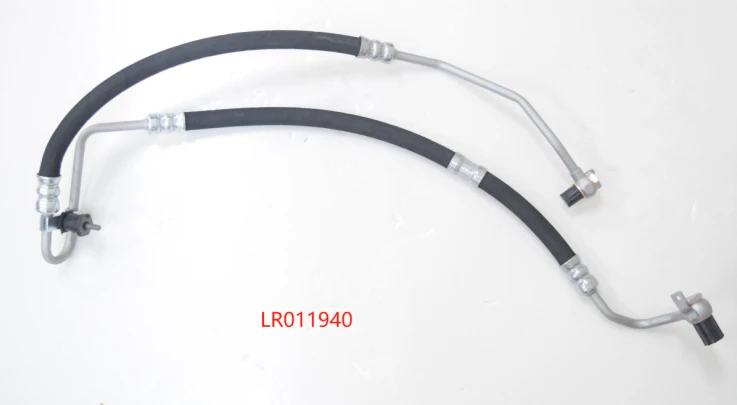
Air Hose. Used for compressors, pneumatic devices, mining, construction and so on. Inner rubber materials are mostly NBR, PVC compound, PU and SBR. Usually there are strict requirements on the applicable pressure.
Welding hose. Used for gas welding, cutting and so on. Inner rubber material to NBR or synthetic rubber mostly, the outer rubber is usually made of red, blue, yellow and other colors to show the special gas.
Ventilation hose. Used for heat, dust, fumes, smoke, chemical gas emissions and so on. The inner rubber is mostly made of thermoplastic material and PVC. Usually the tube body has a retractable design.
Material suction hose. Used for gas, mist, powder, granule, fiber, sand and gravel, cement, fertilizer, coal dust, quicksand, soil mixing, gypsum and other solid particles containing fluid transport and so on. The inner rubber material is mostly NR, NBR, SBR, PU. Usually the outer rubber has higher abrasion resistance.
Oil transfer hose. Used for fuel, diesel, kerosene, oil and so on. Inner rubber material to NBR, PVC composite, SBR mostly. Usually there is conductive steel wire between the inner and outer rubber to prevent sparks.
Chemical hose. Used for acidic, chemical solutions and so on. The inner rubber material is mostly EPDM. Usually this type requires customized materials and design solutions.