


I. Core function and type distinction
High-pressure oil inlet pipe
It connects the power pump with the steering gear and delivers high-pressure fluid (the pressure usually reaches 2.2~2.8MPa) to drive the steering mechanism.
Characteristics: thicker tube diameter, stronger material (mostly metal braid + pressure-resistant rubber), located at the output end below the booster pump.
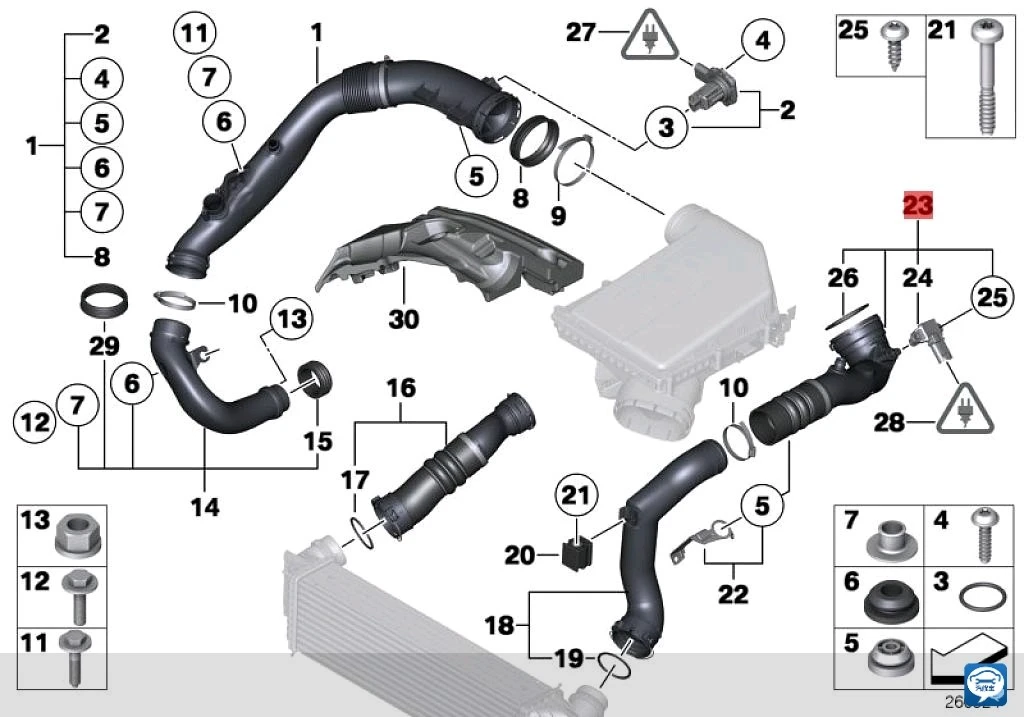
Low Pressure Return Hose
Directs the low-pressure fluid from the steering gear back to the oil reservoir to complete the cooling cycle.
Characteristics: Thin diameter, relatively soft material (mostly ordinary rubber), located above or inside the steering wheel.
Auxiliary Oil Hose
Some models contain a heat sink hose (integrated in the return line) and a hydraulic cylinder control hose (to control the steering rack movement).
Quick identification method: the outlet of the power pump must be a high-pressure pipe; the connection of the oil pot is mostly a return pipe; the pipe diameter is thicker for the high-pressure pipe.
️ II. Oil leakage hazards and symptoms
Safety Hazards
Type of oil leakage Direct consequence Long-term risk
Rupture of high-pressure pipe Instantaneous loss of pressure in the steering direction, the direction of heavy loss of control Booster pump idling burned (repair cost over ¥ 4,000)
Oil return pipe Leakage Splashing of oil into the exhaust pipe → risk of spontaneous combustion Air enters the hydraulic system, increasing the noise.
Typical Symptoms
Significant increase in resistance to steering wheel rotation (especially in low-speed turns);
Persistent "hissing" or "thumping" noise;
Red or amber oil stains on the floor/cabin (characteristic of booster fluid); Instrument cluster lights up and fails to turn. Red or amber colored oil stains on floor/cabin (booster fluid characteristic);
Steering malfunction light on instrument panel (electrohydraulic models).
Service and Replacement Instructions
1. Locate oil leaks
Self-check: listen for the source of the noise after starting the vehicle from cold, or use soapy water on the interface to observe the air bubbles.
Professional inspection: Smoke leak detector to locate the cracks accurately (error <1mm).
2. Classified repair program
Degree of damage Repair method Cost reference
Aging of seals Replacement of O-rings (Fluorocarbon material is more durable) ¥200~500
Oil seepage from oil pipe joints Re-tighten clamps or apply oil-resistant sealant ¥50~150
Cracked oil pipe Replace the original oil pipe assembly (use with caution for sub-factory) ¥300~1500
3. Replacement operation
Drain the oil: first, drain the old oil from the oil reservoir, disassemble and remove the oil from the oil reservoir. Empty the oil: first pump out the old oil from the oil reservoir, and use a cloth to catch the residual oil when disassembling;
Steering end operation: lift the vehicle, disassemble the half-shaft shield and fixing screws (Audi A6L and other models need to disassemble the steering wheel assembly);
Fill in the new oil: start the vehicle, then turn left and right to exhaust the air, and the oil needs to be up to the "MAX" mark. The oil needs to reach the "MAX" mark.
️ Pothole avoidance reminder:
High-pressure pipe must be the original factory specifications, ordinary fuel pipe substitute will lead to the risk of pipe burst;
DIY cutting the old pipe is easy to accidentally injure the adjacent pipeline (case: self-tapping screws emergency repair hidden danger).
Fourth, preventive maintenance recommendations